For the better part of a decade, “quiet luxury” was the safest strategy in fashion: remove the logos, raise the prices, and let fabric quality do the talking. But a new generation of consumers is signaling that restraint alone no longer excites them — and heritage brands are responding with a more layered approach to their identity.
The fatigue of sameness
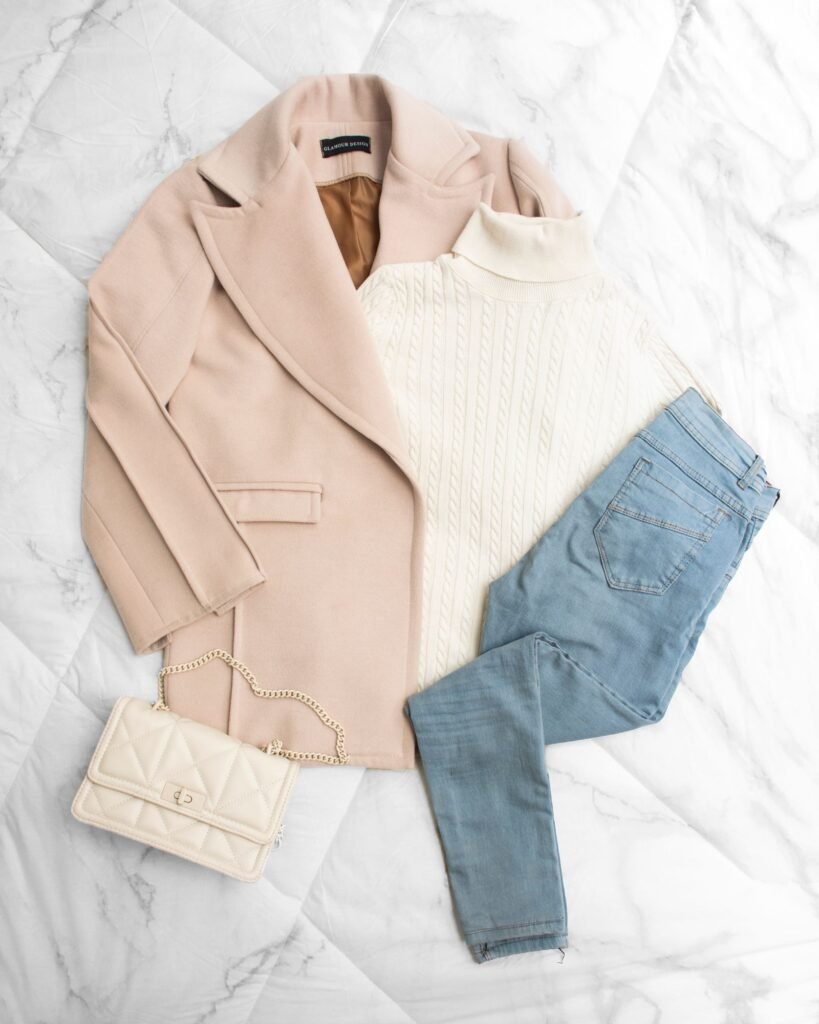
Walk through any premium department store today and you will find rack after rack of beige cashmere, camel wool and understated tailoring. The aesthetic that once whispered exclusivity has become ubiquitous, duplicated across price points from true luxury to fast-fashion imitations. Industry observers call it the beige monotony problem: when everyone sells the same look, the look stops signaling anything.
Sales data supports the shift. While core quiet-luxury categories like coats and knitwear remain stable, growth has slowed in key markets, and younger shoppers are directing spending toward brands with a stronger point of view.
Heritage houses turn up the volume
The response from storied brands has been telling. Rather than abandoning their codes, several are amplifying them — reviving archive patterns, reintroducing monogram elements in contemporary proportions, and collaborating with artists and musicians who bring cultural energy without diluting craft credibility. One century-old outerwear maker recently relaunched a discontinued racing-inspired line from its 1970s archive; it sold out in days.
Creative leadership changes have accelerated the pivot. A wave of new designer appointments across major houses has brought a visibly bolder runway presence, even as the brands insist their foundations — tailoring, leatherwork, textile innovation — remain untouched.
Craft as the new logo
The most interesting evolution is happening at the product level. Heritage brands are shifting the storytelling from what a garment looks like to how it was made: named mills, traceable wool, hand-finishing documented in short films. The idea is that in a market saturated with minimalist aesthetics, demonstrable craft is the one form of status that cannot be copied quickly.
Some analysts describe this as “loud craft, quiet branding” — a repositioning where provenance, not prominence, carries the luxury signal.
What it means for the market
For consumers, the shift promises more expressive options without a wholesale return to logo mania. For the industry, it signals that the quiet-luxury cycle, like every aesthetic cycle before it, is entering its correction phase. The brands most likely to thrive are those that can hold two ideas at once: timeless construction and a contemporary voice.
Restraint, it turns out, was never the product. It was just the packaging.
Why this matters
Quiet luxury is moving away from a single beige aesthetic. The stronger differentiator is evidence of craft and product knowledge, while restraint remains one option rather than the whole brand identity.