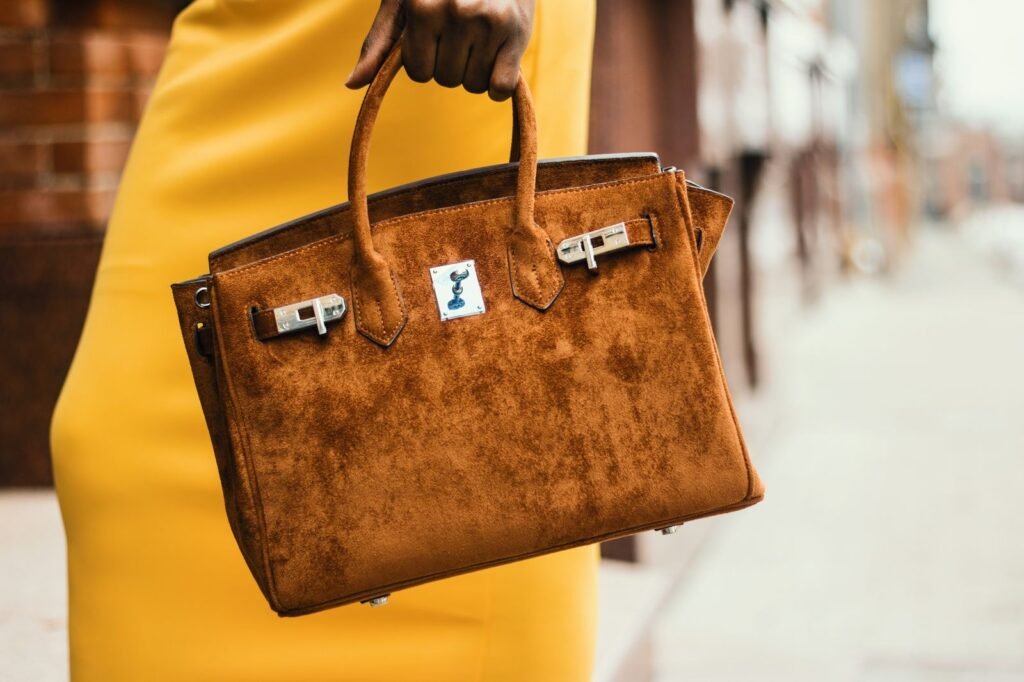
The Hermès Birkin has spent four decades as fashion’s ultimate status object — a bag with a waitlist, a mythology and a resale premium that made it an investment asset class. But according to new reporting from China’s secondhand market, that premium is starting to shrink.
The scarcity math is changing
A rising supply of secondhand Birkins — driven by resale platforms, recycling-focused collectors and a maturing pre-owned infrastructure — is compressing the gap between the bag’s resale price and its retail price. When a “waitlist-only” bag starts trading closer to retail, the scarcity story that underpins Hermès’ mystique comes under real pressure.
Why it matters beyond Hermès
The Birkin premium has long been cited as proof that controlled scarcity creates durable value. If supply — even secondhand supply — can erode that premium, every luxury brand running a waitlist strategy should take notes. Scarcity, it turns out, is not only about how many bags you make. It is about how many are already in circulation.
For China’s fast-professionalising resale sector, meanwhile, the very volumes that threaten the premium are proof of a market coming of age.