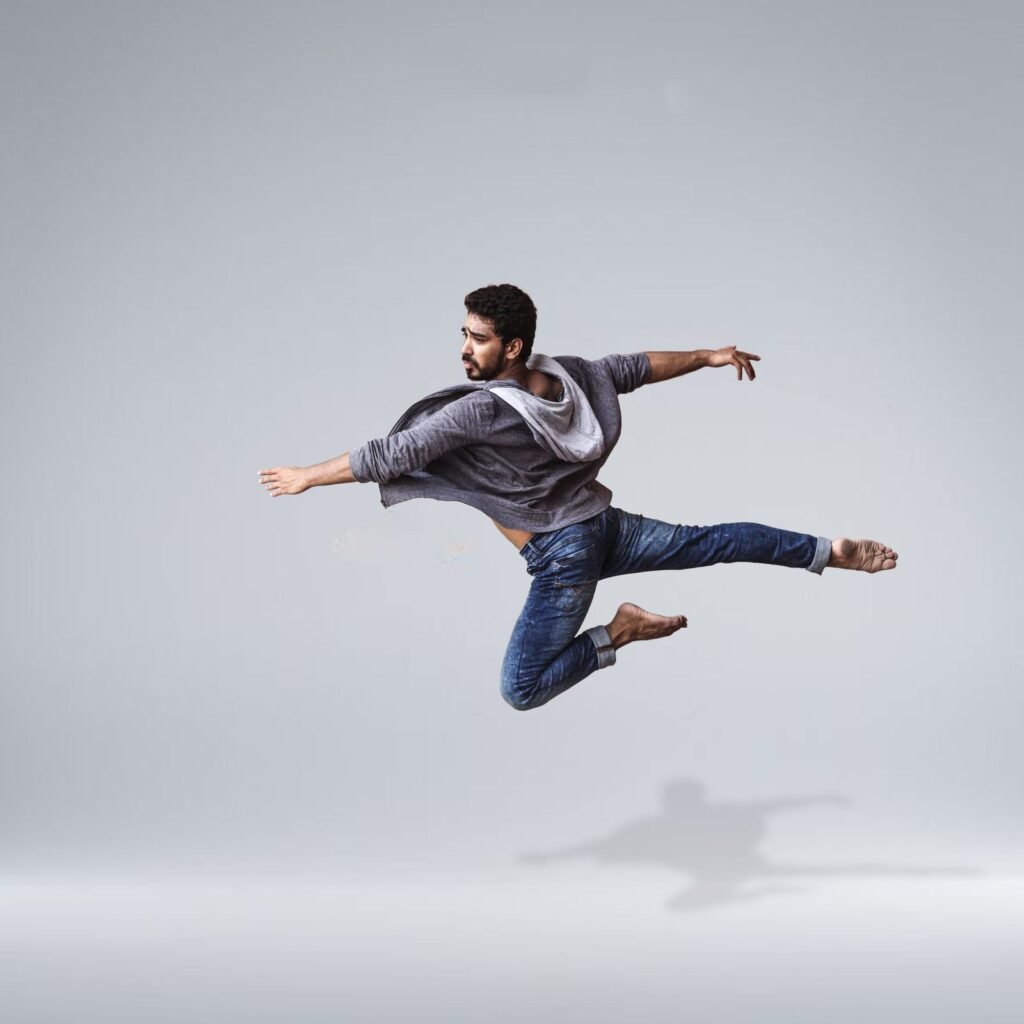
Issey Miyake turned a London museum into a runway in the most literal sense: dancers performed through Tate Modern wearing pieces pulled directly from the gallery floor, staging a Homme Plissé show that blurred the line between fashion presentation and live art.
Clothing as choreography
The concept was pure Miyake — the Homme Plissé line is built on pleated fabrics engineered to move, so putting the garments on dancers and letting movement do the talking was less a gimmick than a design thesis performed in public. The Tate’s industrial caverns gave the plissé’s light-catching geometry a scale no traditional runway could match.
Performances as the new lookbook
For a brand whose identity has always fused design and engineering, the Tate show extends a lineage of experiments — Miyake has a long history of treating garments as systems in motion rather than static objects. As fashion weeks fragment and formats multiply, expect more houses to trade runways for institutions: museums, warehouses and public spaces offer narrative weight that a standard show cannot.
The takeaway for designers: if your clothes are engineered to move, stage them where movement is the point.