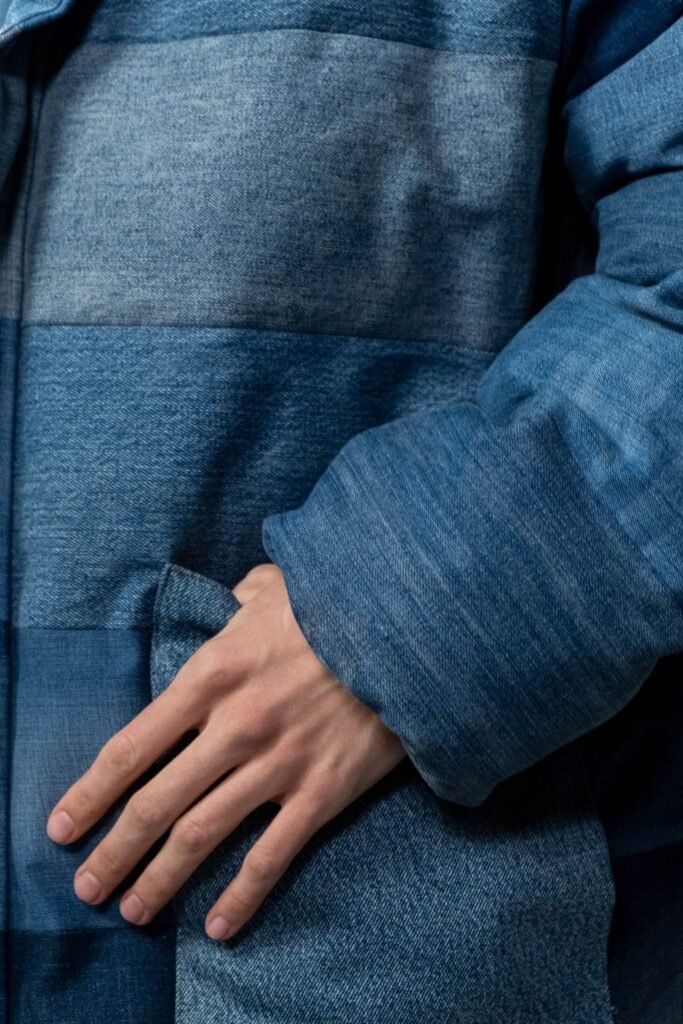
Walk through any fabric fair this year and one material keeps appearing in booth after booth: lyocell. The semi-synthetic fiber — sold under brand names including Tencel — has moved from eco-boutique niche to mainstream staple, and sourcing managers say summer collections are increasingly built around it. Understanding why requires comparing it directly with the fiber it is displacing: conventional cotton.
What lyocell actually is
Lyocell is a regenerated cellulosic fiber made from wood pulp — typically eucalyptus, beech or spruce from certified forestry — dissolved in a closed-loop solvent process that recovers and reuses more than ninety-nine percent of its processing chemicals. The output is a fiber with a smooth hand, excellent drape and moisture management that outperforms cotton in several respects.
Head-to-head: comfort and performance
On the skin, the differences are tangible. Lyocell fibers are smoother than cotton’s, producing the cool-touch feel that makes it popular for summer shirting, loungewear and bedding. Its moisture absorption capacity exceeds cotton’s, and its structure wicks rather than holds, so garments dry faster and resist the cling of humidity.
Cotton retains genuine advantages: structure and stitch definition for tailored pieces, a matte surface that takes pigment deeply, and centuries of consumer familiarity. Blends split the difference — a common summer formula pairs the two fibers, using lyocell for drape and cooling with cotton for body and durability.
The resource math
The sourcing shift is driven largely by footprint. Conventional cotton is among the most water-intensive crops in agriculture, and its pesticide load has long drawn criticism. Lyocell’s feedstock grows on land unsuitable for food crops with a fraction of the water demand, and the closed-loop production process avoids the chemical discharge associated with viscose, its older cellulosic cousin.
Certification has matured on both sides — organic and regenerative cotton programs address some of cotton’s issues — but the default sustainability narrative now favors lyocell, and brand marketing follows the narrative.
Price and the scaling question
Historically, lyocell carried a premium that limited it to mid-market and above. Expanded production capacity has narrowed the gap, and at current spreads, many mills report lyocell-rich blends pricing at parity with good-quality combed cotton for summer-weight fabrics.
Cotton is not going anywhere — its market remains vastly larger, and its role in denim, knitwear and tailoring is secure. But the direction is clear: as brands re-engineer summer ranges around comfort, footprint and cost in equal measure, lyocell has graduated from alternative fiber to first choice.