Engineered Garments and NANGA have reunited for a fourth Fall/Winter collaboration, bringing back three earlier styles: the Zip Jacket, the Field Vest and the Down Hoody. All three are produced in Japan and insulated with NANGA’s UDD down, sourced from European white ducks and treated to repel water. The fill is rated at 770 fill power, which places it in the high-loft bracket for down insulation. The collection is available now through Nepenthes Los Angeles and online.
Why the fill rating matters more than the label
Fill power measures how much loft a given weight of down can hold, so a 770-fill rating points to an emphasis on warmth without bulk. Pairing that loft with a water-repellent treatment is a practical choice for outerwear: untreated down loses much of its insulating value when it absorbs moisture, while a treated fill is better able to keep its structure in wet or humid conditions. NANGA’s reputation as a Japanese down specialist makes the sourcing detail more than a footnote here – it is the technical core of the capsule.
One insulation, four material personalities
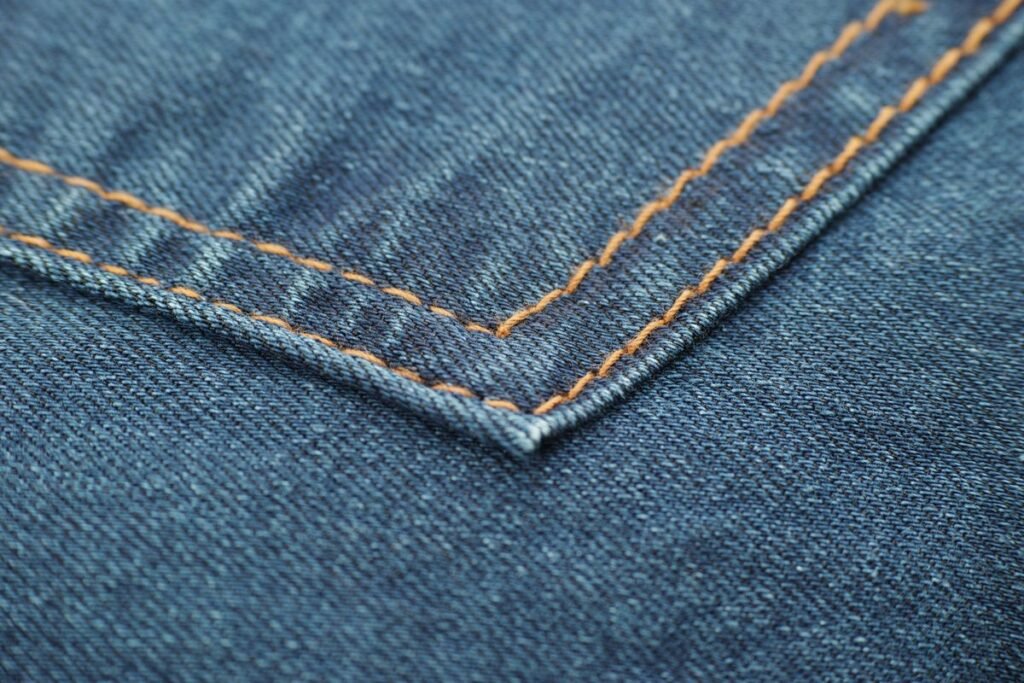
What gives the collection its range is the shell selection. The same down construction is offered in indigo denim, brown corduroy, navy tropical wool and black nylon, letting an identical build read as workwear, something dressier, or straightforward outdoor gear depending on the fabric. The Zip Jacket carries the most hardware, with waterproof zippers sealing the front pockets and additional vents at the neck, under the arms and across the back so the wearer can regulate airflow. The Field Vest returns from the Engineered Garments mainline with the same insulation, while the Down Hoody concentrates warmth around the head and neck.
The larger pattern in fabric-led collaborations
This is less a logo exercise than a materials conversation: a workwear label borrowing performance insulation, and a down specialist gaining access to heritage silhouettes. For buyers, the appeal is that the technical spec and the cloth are both legible at a glance – a rare balance in cold-weather collections that often hide their engineering behind a single marketing term.